Websites & Search
Websites built to rank and convert, with SEO and AI search visibility so the right people find you.
- Website Design
- SEO
- AI Search (GEO)
We build websites that convert, grow your search visibility and run paid campaigns that pay their way, with senior Fractional CMO thinking behind every decision. Real growth for small businesses and large organisations alike.







Our partners & accreditations
Most businesses either go it alone or hand marketing to an agency that only does one thing. Neither joins the strategy up with the work.
Your team juggles the website, search and ads without a clear plan. Busy, but not always moving the numbers.
You get one service done well, but nobody owns the bigger picture or connects it back to your goals.
Senior marketing strategy and an in-house team in one place, so the plan and the delivery always line up.
Two ways to work with us: we lead your marketing, or our team builds and grows it.
Websites built to rank and convert, with SEO and AI search visibility so the right people find you.
Google and Meta campaigns planned around your numbers, tracked properly and reviewed every month.
Social content and Reddit conversations that build trust where your customers already spend time.
Lead generation sites, Shopify stores and membership platforms built to grow revenue.
Bring us in to lead your marketing, plan it, review it or build your team’s skills.
We lead it
Senior marketing leadership a few days a month, owned and accountable.
We plan it
Positioning, channels, budget and a clear 12-month growth plan.
We review it
A one-off review of your marketing, website and numbers, with a clear action plan.
We train it
Workshops and coaching that build real capability inside your team.
One senior lead sets the marketing strategy, then our in-house team delivers it. Four clear stages, for small businesses and large organisations alike.
We start with your goals, numbers, customers and competitors, so every decision is built on how your business really works.
A clear plan for where to focus, what to spend and what success looks like, owned by a senior lead.
Our in-house team designs the website, runs search and ads and creates content, all joined up to the plan.
Every month we review what is working, cut what is not and put more behind the winners.
Most businesses get either strategy or delivery. You get both: a senior marketing lead who owns the plan and the numbers, and an in-house team for websites, SEO, AI search, paid ads and social that makes it happen.
Strategy into action
When you need more than a plan, our agency team brings it to life. Website design and SEO sit at the centre, supported by AI search, paid advertising, social and Reddit marketing.
A selection of the brands we’ve helped with strategy, websites and marketing.
Insights
Understand how SEO, answer engines and AI search work together, and what that means for your business.
Read our AEO guideTell us where you are now and what you want to achieve.
(R01), Client words
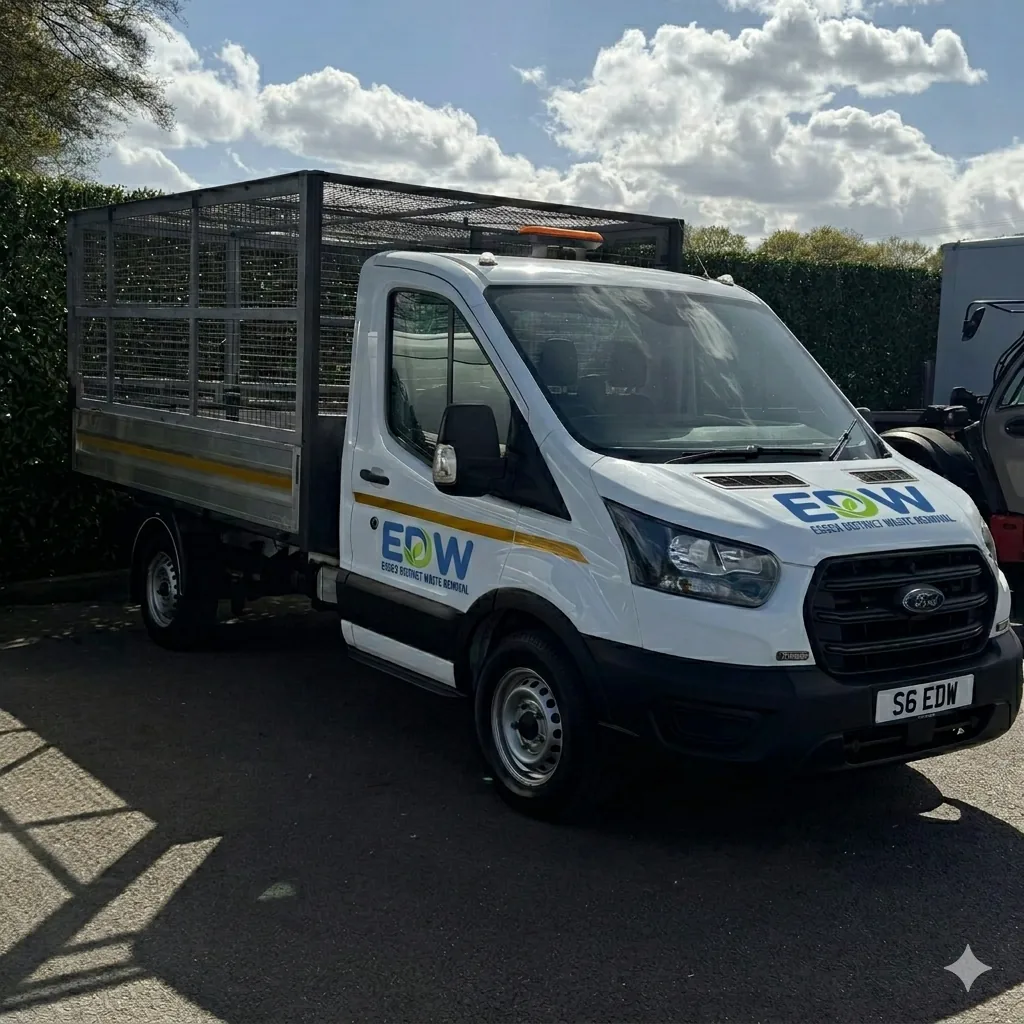
We asked Refrakt Digital to build us a website that gets found and they did exactly that. Within a month we were ranking on the first page of Google for 13 keywords and the phones have been ringing ever since. The site was complete in under a month too.
Shaun
Director, Essex District Waste Removal